
“Why am I always hungry?” – What Science Says

29
Apr
“Why am I always hungry?” – What Science Says
Reading time - 6 mins
You may be able to 'blame it on the blood sugar' - recent research findings suggest people have big dips in blood sugar a few hours after eating meals end up feeling hungrier, plus potentially consuming hundreds of more calories over the day!
Nature Metabolism featured a study that analyses a real-life setting response to food. ZOE and King’s College London health scientists found why you may be struggling to lose those kgs, even on a diet that is calorie-controlled. By gaining insights into your personal metabolism, you'll be in a better place to manage your health and weight!
What was involved in the study?
- 1070 participants consumed ‘standardised breakfasts’ plus their own meals over two weeks
- In total, 8000 breakfasts were consumed, and a grand total of 70,000 meals
- What was for breakfast? Each person was given muffins that were calorically the same. The big difference was that the muffins changed in terms of protein, carbohydrates, fibre and fat composition.
The researchers recorded different types of relevant data to ascertain the effect on blood sugar:
- To measure the person's sugar processing efficiency, an oral glucose tolerance test was administered.
- Continuous glucose monitors (CGMs) were used by participants daily, to keep track of the fluctuations in blood glucose
- Activity and sleep trackers were worn
- Participants used an app to record hunger and levels of alertness. This also included details of what they ate and at what time.
A note on past blood sugar studies in relation to weight loss:
The ‘blood sugar peak’ is what researchers tend to look at - this refers to how the levels are impacted two hours after consuming food. The data analysis in this study focused beyond this period. Researchers found that some participants had more severe ‘dips’ 2-4 hours after the original peak. This stronger ‘sugar dip’ meant that the blood glucose levels quickly fell below the first baseline prior to coming back up.
What was found in this study?
‘Big dippers’, meaning particpants who had the biggest fall in blood glucose, had 9% more hunger and ate the next meal about half an hour earlier than other study participants. Remember, all participants had the muffins for breakfast.
Not only did the 'big dippers’ have more hunger and eat earlier, but ate about 75 calories more in the following hours after breakfast. During the course of the day, participants ate approximately 312 calories more than the ‘little dippers’ - this equates to an extra meal! Over a year, this can turn into 10kg of weight gain, according to the data analysts.
Though unstable blood glucose has long been suspected by researchers to be a big driver in excessive hunger, this particular study gives us extra insight into how we can support healthy blood sugar to prevent overeating. If you always feel like you are having issues with your weight, it’s time to take blood gluose levels seriously.
Tips for controlling blood sugar:
- Eat quality fats and protein that will keep you satisfied for longer.
- Pair your carbohydrated with satiating protein.
- Minimise the sugary treats!
- Fill your plate up with fibrous whole foods - meaning, hit your vegetable intake targets every single day.
- Remember to drink water and stay hydrated!
- Focus on quality sleep and managing stress.
Products to support your journey:
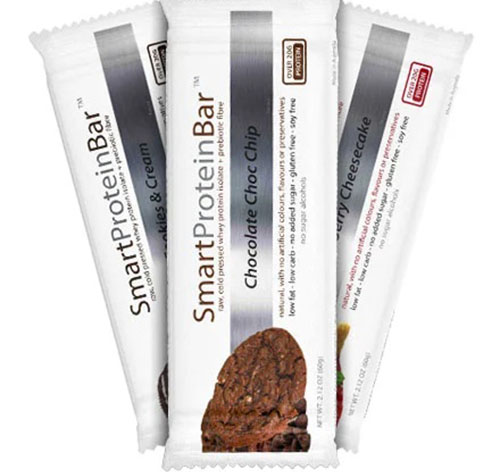
Smart Protein Bar by Smart Diet Solutions
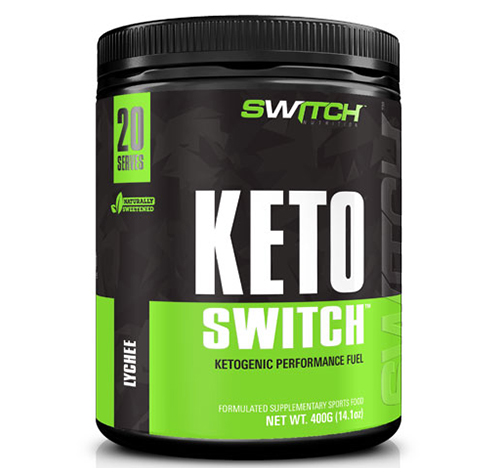
Keto Switch by Switch Nutrition
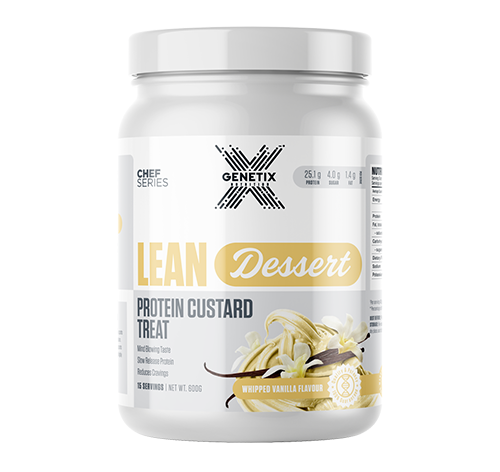
Lean Dessert by Genetix Nutrition Chef Series
Patrick Wyatt, Sarah E. Berry, Graham Finlayson, Ruairi O’Driscoll, George Hadjigeorgiou, David A. Drew, Haya Al Khatib, Long H. Nguyen, Inbar Linenberg, Andrew T. Chan, Tim D. Spector, Paul W. Franks, Jonathan Wolf, John Blundell, Ana M. Valdes. Postprandial glycaemic dips predict appetite and energy intake in healthy individuals. Nature Metabolism, 2021; DOI: 10.1038/s42255-021-00383-x
King's College London. "Why some of us are hungry all the time." ScienceDaily. ScienceDaily, 12 April 2021.
More Fit Talk

Kick off Shred Month the right way with 6 simple, sustainable swaps to help you reset, tighten up and build momentum.
August 24, 2026

Achieve your body composition goals with these healthier hot chocolates that contain almost no sugar, pack a protein punch and contain extra nutrients to help you be your fittest self!
July 7, 2025

Want to know our single greatest weight loss secret? Learn the secrets to achieving weight loss and the importance of defining your aspirations and setting time aside for a calorie deficit.
December 15, 2023

WBFF Pro and EHP Labs athlete Tayla Hicks talks to Fit Talk Host, Paula Vargas on training for bikini bodybuilding comps!
March 1, 2022
WBFF Pro and EHP Labs athlete Tayla Hicks talks to Fit Talk Host, Paula Vargas on training for comps!
February 28, 2022