Protein on GLP-1s: Protecting Muscle While Losing Weight

23
Oct
Protein on GLP-1s: Protecting Muscle While Losing Weight
Reading time - 10 mins
GLP-1 medications like Ozempic, Wegovy and Mounjaro have changed the weight loss game for a lot of Aussies. Appetite drops, portions shrink and the scales start moving.
But here's what nobody puts on the box: when you eat less, you don't just lose fat. You can lose muscle too. And muscle is the stuff that keeps you strong, keeps your metabolism ticking and makes the result look like a transformation, not just a smaller number.
The fix isn't complicated. Prioritise protein, keep lifting, and make every bite count. Here's how to do it, plus five protein powders that make it easy when you're not that hungry.
Why muscle loss happens on GLP-1s
Any big calorie deficit puts muscle at risk, and GLP-1s can create a big one fast. When appetite is low, protein is usually the first thing to slide. Skipped breakfasts, half-finished dinners and "I'm just not hungry" days add up.
Without enough protein and a reason to keep it (hello, resistance training), your body is happy to break down muscle for fuel along with fat. In a body composition substudy of the STEP 1 semaglutide trial, participants lost 19.3% of their fat mass over 68 weeks, but also 9.7% of their lean mass.
That matters because muscle:
- Supports strength and everyday function
- Helps you burn more energy at rest than fat tissue does
- Shapes how you look and feel once the weight is off
- Makes it easier to maintain your results long term
The goal isn't just to lose weight. It's to lose fat and keep the muscle you've got.
How much protein do you need?
For active people in a calorie deficit, 1.6–2.2g of protein per kilogram of body weight a day is a solid target to help keep you full and hold on to muscle. Your GP or dietitian can tailor that number to you.
How to hit it when you're not hungry
Big protein targets and small appetites don't mix easily. These tactics close the gap:
- Protein first. Eat the protein on your plate before anything else, while you still have room.
- Go smaller, more often. Three or four 20–30g protein hits beat two meals you can't finish.
- Drink some of it. Shakes and clear proteins go down far easier than a chicken breast on a low-appetite day.
- Pick protein-dense options. Choose foods and powders with lots of protein for few calories, so every mouthful works harder.
- Keep lifting. Two to three resistance sessions a week give your body a reason to hang on to muscle.
- Stay hydrated. Smaller meals can mean less fluid. Sip water across the day, and add electrolytes if you're training hard.
Top 5 protein powders for weight loss on GLP-1s
When appetite is low, you want the most protein for the fewest calories, in a format you'll actually finish. Here's how our picks stack up.
Lean Whey by Genetix Nutrition

Lean Whey by Genetix Nutrition
Three proteins in one: whey concentrate, whey isolate and calcium caseinate. They digest at different speeds, so your muscles get a steady supply of amino acids for hours. That slower release helps you stay satisfied between smaller meals. 32.1g of protein per serve, low in fat and carbs.
Nutritional Information Per Serve (40g):
- Calories: 167
- Protein: 32.1g
- Fat: 1.2g
- Carbohydrates: 4.6g
Primal Whey Protein by Anabolix Nutrition
A whey concentrate and isolate blend with 28.5g of protein and added L-glutamine. It's a strong post-workout option on lifting days, when protecting muscle matters most.
Nutritional Information Per Serve (40g):
- Calories: 154
- Protein: 28.5g
- Fat: 2.1g
- Carbohydrates: 3.8g

Primal Whey Protein by Anabolix Nutrition
Iso Clear by Applied Nutrition
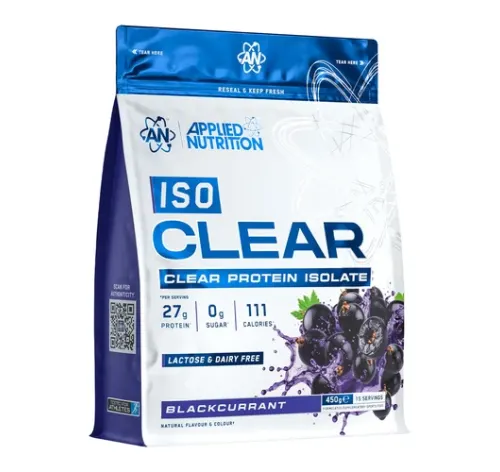
Iso Clear by Applied Nutrition
The top pick for low-appetite days. Iso Clear mixes into a light, refreshing, juice-like drink instead of a heavy shake, so it's far easier to get down when food feels like a chore. 27g of protein for 111 calories, with virtually zero fat and sugar, and it's dairy and lactose free.
Tip: Mix with ice-cold water and sip it across the morning.
Nutritional Information Per Serve (30g):
- Calories: 111
- Protein: 27g
- Fat: <0.1g
- Carbohydrates: 0.6g
OxyWhey by EHP Labs
If you still want a creamy shake, OxyWhey delivers 25g of protein for 120 calories in a 31g serve. Digestive enzymes help it sit well, and the flavour range keeps things interesting week after week.
Tip: Blend with milk and ice for a thick, macro-friendly milkshake.
Nutritional Information Per Serve (31g):
- Calories: 120
- Protein: 25g
- Fat: 1g
- Carbohydrates: 2g
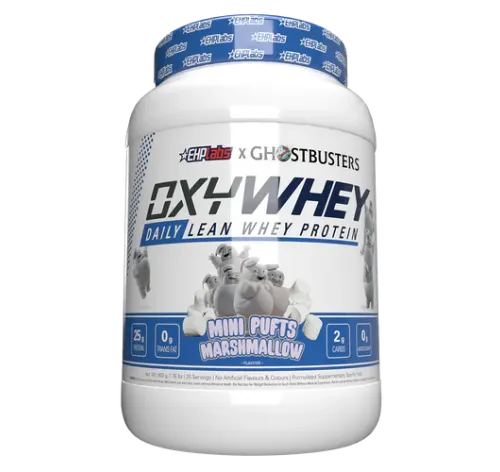
OxyWhey by EHP Labs
Protein by PharmaLabs

Protein by PharmaLabs
A macro-friendly whey blend that packs 23g of protein into a small 30g serve. The Digezyme® enzyme blend supports digestion, which is a win if bigger meals leave you feeling uncomfortable. Indulgent flavours like Vanilla Soft Serve make it feel like a treat, not a task.
Nutritional Information Per Serve (30g):
- Calories: 104
- Protein: 23g
- Fat: <0.1g
- Carbohydrates: <0.1g
Final Notes:
A GLP-1 can help the scales move, but protein and training decide what you're actually losing. Hit your daily target, spread it across the day, keep lifting, and lean on an easy-to-drink protein when food isn't appealing. That's how you finish leaner and stronger, not just smaller.
FAQs
Can I take protein powder while on Ozempic or Mounjaro? Protein powder is a food, and many people use it to meet their protein needs while their appetite is reduced. Check with your GP or prescribing doctor about your diet while on any medication.
What's the best protein powder when I'm not hungry? Clear whey or a small-serve, high-protein powder. They're lighter to drink and pack more protein per calorie.
How much protein should I have per meal? Aim for 20–30g per sitting, three to four times a day. That's often easier than trying to fit 40g+ into a meal you can't finish.
Do I still need to train? Yes. Resistance training two to three times a week tells your body to keep muscle while you lose fat.
This article is general information only and isn't a substitute for medical advice. Speak to your GP, prescribing doctor or an accredited practising dietitian about your individual needs.
Reference:
- Jäger R, et al. International Society of Sports Nutrition Position Stand: protein and exercise. J Int Soc Sports Nutr. 2017;14:20.
- Mozaffarian D, et al. Nutritional priorities to support GLP-1 therapy for obesity: a joint Advisory. Am J Clin Nutr. 2025;122(1):344–367.
- Wilding JPH, et al. Semaglutide 2.4 mg reduces total fat mass and visceral fat mass in adults with overweight or obesity (STEP 1 substudy). J Endocr Soc. 2021;5(Suppl 1):A16–A17.
More Fit Talk
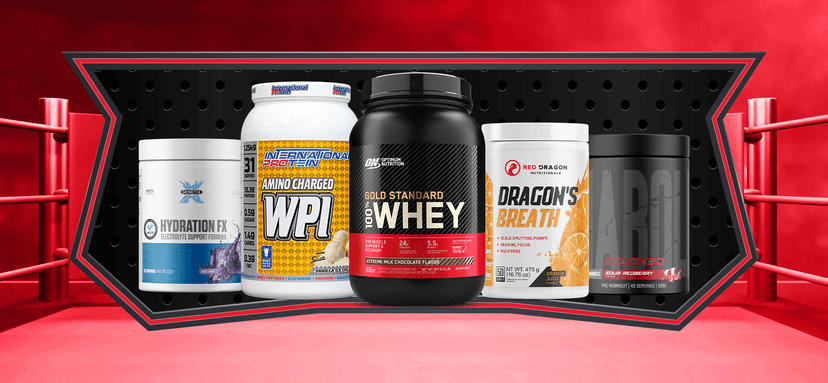
Black Friday is here! Shop our team’s top picks across protein, pre-workout, hydration, fat burners and more. Big savings online and in-store.
November 12, 2026
Black Friday is here! Shop the best Optimum Nutrition supps in Australia, from Gold Standard Whey to Serious Mass and Creatine, at our biggest prices of the year.
November 9, 2026
Save 20% on Nexus this Black Friday. Shop our top picks from Per4m pre-workout to Super Protein water, online and in store.
November 9, 2026
Stock up on ABE Pre Workout, ABE RTD & Shred X this Black Friday. Our top Applied Nutrition picks + how to stack them. Shop now at NW.
November 9, 2026
Stock up on Oxyshred, OxyWhey, OxyGreens & Beyond BCAA this Black Friday. Our top 5 EHPLabs supps. Shop now at NW
November 9, 2026