The Recovery Stack: Amino Switch, Protein Switch & Creatine

07
Jul
The Recovery Stack: Amino Switch, Protein Switch & Creatine
Reading time - 7 mins
You've smashed the session. You've left it all on the gym floor, the track, or the field. But here's the truth most people miss: the work you put in during training only gets you halfway there. What you do in the hours after is what actually turns effort into results.
That's where the Recovery Stack comes in. Three products, three jobs, one goal: getting you back up to full strength faster, so you can back it up again tomorrow. Let's break down exactly what Amino Switch, Protein Switch and Creatine each bring to the table, and how to stack them for maximum effect.
Why Recovery Deserves as Much Attention as Training
Training breaks your muscles down. Recovery is where they rebuild, stronger, if you give your body what it needs. Skip this step, or half-arse it, and you're leaving gains on the table no matter how hard you trained.
The three biggest levers for recovery are: replenishing amino acids, hitting your protein targets, and restocking muscle energy stores. That's exactly what this stack is built to do.
Amino Switch: Recovery That Starts Mid-Workout
Amino Switch delivers essential amino acids (EAAs) in the ratios your body actually needs, plus electrolytes to keep you hydrated while you train. Think of it as recovery that starts before your session even ends.
Why it matters: Your muscles are breaking down protein for fuel the whole time you're training. Sipping Amino Switch during your workout means you're feeding that process in real time, reducing muscle breakdown and setting you up to bounce back faster.
When to use it: During your workout, or immediately after if you prefer to keep things simple. It's low calorie, so it won't sit heavy before or during training.
Beef Protein Isolate by Switch: The Rebuild Phase
Once the session's done, your body needs raw materials to actually rebuild the muscle tissue you just broke down. That's a job for a complete protein source, and that's exactly what Protein Switch is built for.
Why it matters: Protein synthesis (the process of repairing and building muscle) needs a full amino acid profile, not just the essentials. A quality protein shake post-workout gives your body everything it needs to make the most of the recovery window.
When to use it: Within an hour or two of finishing training. Mix it into water or milk, or blend it into a smoothie if you want something more substantial.
100% Micronised Creatine Monohydrate: The Long Game
Creatine doesn't work like the other two. It's not about the immediate post-workout window, it's about what's in your muscles before you even start. Creatine increases your muscles' stored energy (phosphocreatine), which powers short, explosive efforts like lifting, sprinting, and high-intensity training.
Why it matters: More stored energy means more reps, more power, and better performance session after session. Over time, this compounds: better sessions now mean better results down the track. It's also one of the most heavily researched supplements in sports nutrition, with a rock-solid safety profile.
When to use it: Daily, consistently, regardless of whether it's a training day or not. Creatine works by saturating your muscles over time, so timing around workouts matters far less than just taking it every day.
How to Stack It: A Sample Day
Here's how the three fit together around a training session:
- During your workout: Sip Amino Switch to fuel recovery in real time and stay hydrated.
- Straight after training: Mix up Protein Switch to kickstart muscle repair.
- Every day, training or not: Take your Creatine dose to keep muscle energy stores topped up.
None of these competes with each other; they're solving three different problems, which is exactly why they work so well together.
Who This Stack Is For
Whether you're chasing strength, building muscle, or just trying to recover well enough to train consistently without burning out, this stack applies. It's not just for elite athletes. Anyone training with intent, more than once or twice a week, will notice the difference recovery support makes.
The Bottom Line
Training gets you to the start line. Recovery is what gets you to the next session ready to go again. Amino Switch fuels you through the workout, Protein Switch rebuilds what you broke down, and Creatine makes sure your muscles have the energy to perform at their best, every single session.
Stack all three, stay consistent, and let your recovery do as much work as your training.
Disclaimer: The above article is merely a guide to inform. It is based on general nutritional and training principles and is in no way a recommendation or treatment for any health condition or disease. You should always consult with your qualified health care provider before changing your supplement, training, or nutritional strategy.
More Fit Talk

Not sure which Applied Nutrition protein to grab? We break down Iso Clear vs Critical Whey so you can pick with confidence.
September 2, 2026

Your September shred stack sorted: protein, fat burners, aminos and recovery picks built to get you lean, fast.
August 23, 2026

This top 5 protein powders help you hit your goals faster. From low-calorie blends to metabolism-boosting formulas, these proteins are built to keep you fuller for longer, crush cravings, and preserve lean muscle mass while you shred.
August 22, 2026
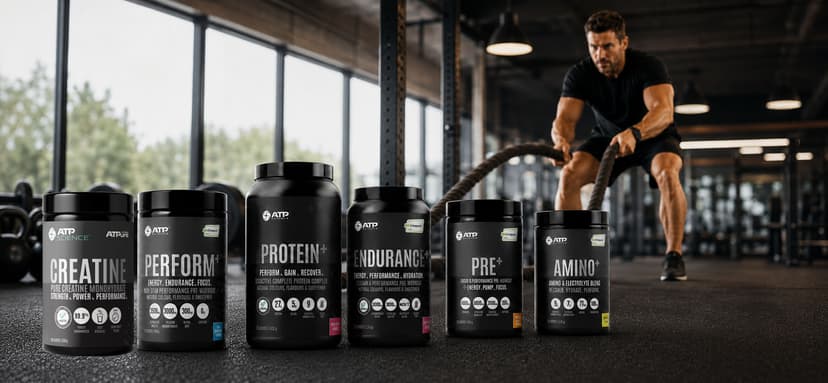
Pre+, Endurance+, Perform+ or Protein+? Here's exactly which ATP Science Performance Plus stack matches your training goals.
August 11, 2026

Build a practical ATP Science supplement routine to support energy, hydration, strength, performance and recovery throughout your active week.
July 31, 2026