NMN vs. NAD+

28
Dec
NMN vs. NAD+
Reading time - 8 mins
Low energy, slower recovery, and feeling like your body just doesn’t bounce back the way it used to? That’s where NMN and NAD+ enter the picture. These two cellular power players are making waves in the longevity space for their ability to support energy, performance, and healthy aging from the inside out. While closely connected, they don’t work the same way — and knowing which one fits your lifestyle could be the key to feeling sharper, stronger, and more switched on every day.
Which Supplement is Right for You?
In the quest for vitality and healthy aging, the world of nutritional science has turned a spotlight on two powerful molecules: NMN and NAD+. You've likely heard them mentioned in discussions about longevity, energy, and cellular repair. While closely linked, they are not the same, and understanding their differences is key to making an informed choice for your health.
Let’s break down everything you need to know about these cellular powerhouses. Their benefits, the crucial differences, who should consider them, and the best way to incorporate them into your routine.
What Are NMN and NAD+?
Let's start with the star player: Nicotinamide Adenine Dinucleotide (NAD+). This isn't just a supplement; it's a critical coenzyme found in every single cell of your body. Think of NAD+ as the facilitator of life's essential processes. It’s fundamental for converting the food you eat into cellular energy (ATP) and is a vital substrate for "longevity genes" known as sirtuins, which regulate cellular health and repair.
The catch? Our natural levels of NAD+ decline significantly as we age, by as much as 50% between the ages of 40 and 60. This decline is linked to many of the hallmarks of aging, from reduced energy to slower cellular repair.
This is where Nicotinamide Mononucleotide (NMN) comes in. NMN is a direct precursor to NAD+. In simpler terms, your body uses NMN as a raw building block to create more NAD+. By supplementing with NMN, the goal is to refuel your cells' supply of this essential coenzyme.
The Benefits: The Power of Boosting NAD+
Since the primary purpose of taking NMN is to increase NAD+ levels, its benefits are essentially the same. Elevating your body's NAD+ pool can lead to profound effects on your overall health:
- Enhanced Cellular Energy: By supporting mitochondrial function, increased NAD+ helps combat feelings of fatigue and promotes sustained energy throughout the day.
- DNA Repair and Longevity: NAD+ activates sirtuins and PARPs, enzymes that are crucial for repairing damaged DNA, maintaining genomic stability, and regulating the aging process at a cellular level.
- Improved Metabolic Health: Studies have shown that boosting NAD+ can improve insulin sensitivity, which is vital for maintaining healthy blood sugar levels and overall metabolic function.
- Cognitive and Physical Support: From protecting brain cells to improving muscle function and endurance, maintaining robust NAD+ levels is key for both mental sharpness and physical performance.
The Main Difference: It’s All About the Journey Into the Cell
So, if they offer the same benefits, why not just take NAD+ directly? The crucial difference comes down to size and bioavailability.
NAD+ is a relatively large molecule. When you take it as an oral supplement, it struggles to pass from your digestive system into your bloodstream and ultimately into your cells intact. Much of it is broken down before it can be used.
NMN, on the other hand, is a smaller, more nimble molecule. It is efficiently absorbed and transported directly into your cells. Once inside, it undergoes a quick conversion into NAD+, effectively replenishing the cell's supply right where it's needed.
Think of it this way: If your cell is a factory that needs more finished cars (NAD+), taking an oral NAD+ supplement is like trying to air-drop a fully assembled car into the factory—it’s inefficient and often doesn't make it. Taking NMN is like sending a high-quality engine (NMN) through the loading dock, which the factory can then quickly use to build the car internally. For this reason, NMN is widely considered the more effective oral supplement for raising systemic NAD+ levels.
Who Should Consider Taking NMN or NAD+?
These supplements are gaining popularity across a wide range of individuals:
- Adults Over 35: This is the age when natural NAD+ decline often accelerates, making it an ideal time to start supportive supplementation.
- Anyone Seeking to Combat Fatigue: If you’re looking for a sustainable boost in cellular energy without relying on stimulants, NMN can be a game-changer.
- Health-Conscious Individuals: For those focused on proactive health and longevity, supporting NAD+ levels is a cornerstone of a modern anti-aging strategy.
- Athletes and Active People: The potential benefits for muscle function, endurance, and recovery make it attractive for those with active lifestyles.
As with any supplement, it is highly recommended to consult with your healthcare provider before starting to ensure it's the right choice for your individual health needs.
When is the Best Time to Take It?
For optimal results, most experts recommend taking NMN in the morning. Your body's natural energy cycles and NAD+ utilisation are highest during the day. Taking your supplement in the morning aligns with this natural circadian rhythm, providing your cells with the resources they need for the active day ahead. Some people prefer to split their dose, but starting with a morning dose is an excellent strategy.
More Fit Talk

Learn what pure supplements are, how they work, and how ingredients like creatine, L-Citrulline, Beta Alanine and BCAAs can help support your training goals.
July 9, 2026

Vitamin D fuels your immune system, and winter drains it fast. Here's why it matters and how to keep your levels up.
June 30, 2026

Confused which supp to take? Discover the only 4 foundational supplements beginners actually need to boost health, energy, and recovery.
May 28, 2026

Your digestive system is the centre of your wellbeing. A healthy gut means a healthy you. That are many factors that can impact on your gut health.
May 8, 2026
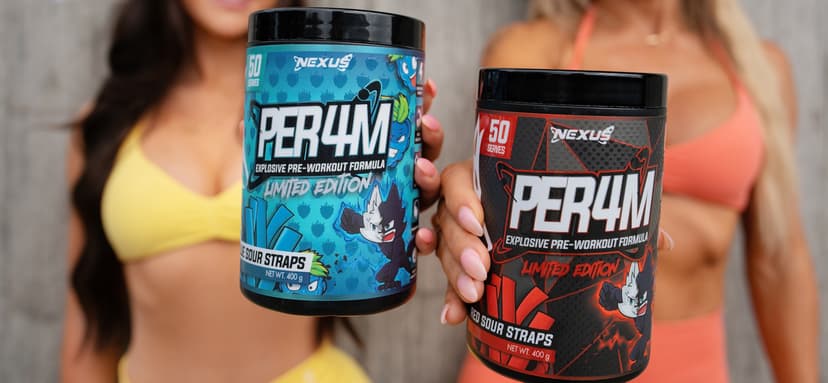
Here are our top supps from Nexus during our Birthday Sale. Whether it's their killer pre-workout, RTD or Super Protein Water, the team at Nexus know how to deliver one of the best supps in Australia!
April 28, 2026