
Does Magnesium Help Muscle Recovery?

02
Oct
Does Magnesium Help Muscle Recovery?
Reading time - 6 mins
After a hard session, we all know the feeling of muscle soreness and stiffness. You can follow some basic tips to help with your muscle recovery, including rest, sports massage, and adding certain supplements to ensure muscles have the proper nutrients for a speedy recovery.
There’s no magic bullet when it comes to fitness and recovery, but one that comes close to it is Magnesium. This very popular mineral is connected to many health benefits, including muscle recovery. Let’s dig in a bit deeper to understand the connection between magnesium and muscle recovery.
What’s magnesium?
Magnesium is the fourth most abundant mineral in the body, and it’s involved in many cellular reactions. This mineral is involved in many functions such as regulation of blood pressure, energy production, maintaining heart and brain health, nerve function, sleep quality and muscle contraction. These are just some of the many health benefits that magnesium has in the body.
You can find this mineral in plenty of delicious foods, including spinach, pumpkin seeds, almonds, avocado, salmon, tofu and many more. You can also find magnesium in supplement form as powder or tablets.
How Does Magnesium Help Muscle Recovery?
When it comes to muscle recovery, magnesium plays a role in regulating muscle contractions. It does that as it acts as a natural calcium blocker, which can then help muscles to relax.
Calcium and magnesium bind to proteins such as troponin C and myosin, and they will both compete for these binding spots. Calcium will contract muscles, while magnesium will relax muscle contraction. If your body doesn’t have enough magnesium to compete with calcium, your muscles may contract too much, resulting in cramps and spasms.
Giving your body the proper nutrients after a hard training session can help prevent those unwanted contractions. By adding supplements or foods rich in magnesium to your routine, you will be giving your body the best chance to fight that muscle soreness the next day.
Is Magnesium worth the money?
We know that you can eat a healthy and balanced diet to give the body all the needed nutrients. However, studies have shown that few people will meet their daily magnesium intake requirements. If that’s you, adding a magnesium supplement can be on the cards here. There is a wide range of magnesium supplements available in the market. Click here for a variety of brands.
Different Types of Magnesium Supplements
When choosing a magnesium supplement, you’ll quickly notice that they come in different forms (called 'salts' or 'chelates'), which affect how well your body absorbs them and what specific benefits they offer:
- Magnesium Glycinate (or Bisglycinate): Often considered the best choice for muscle recovery and sleep. It is highly bioavailable (well-absorbed), gentle on the stomach, and the presence of the amino acid glycine adds to its calming and muscle-relaxing properties.
- Magnesium Citrate: A very common and well-absorbed form. It’s effective for raising overall magnesium levels, but it can have a mild to moderate laxative effect at higher doses, making it popular for those who also need digestive support.
- Magnesium Malate: This form is bound to malic acid, which is involved in the energy production cycle. It is well-tolerated and often favoured for supporting muscle function and energy levels without causing significant digestive upset.
- Magnesium Chloride: Highly absorbable and often used in oral supplements, but also frequently used in topical applications, such as oils, lotions, and flakes for bath soaks, allowing it to be absorbed directly through the skin to target local muscle soreness.
- Magnesium Sulfate (Epsom Salts): This form is most commonly used in a warm bath soak to help relieve muscle aches and stiffness. While popular for muscle relaxation, the absorption rate through the skin is generally lower than oral supplements for correcting a deficiency.
- Magnesium Oxide: This is the least bioavailable form (it is poorly absorbed by the body), meaning it's not ideal for correcting a long-term deficiency. It is primarily used to treat digestive issues like heartburn or constipation due to its strong laxative effect.
As you know, when you deplete your body through strenuous exercise, you need to replenish somehow. Whether you are eating a healthy and balanced diet or adding supplements, your body needs all the tools you can give to help with a speedy recovery.
More Fit Talk

Not sure which Applied Nutrition protein to grab? We break down Iso Clear vs Critical Whey so you can pick with confidence.
September 2, 2026

Your September shred stack sorted: protein, fat burners, aminos and recovery picks built to get you lean, fast.
August 23, 2026

This top 5 protein powders help you hit your goals faster. From low-calorie blends to metabolism-boosting formulas, these proteins are built to keep you fuller for longer, crush cravings, and preserve lean muscle mass while you shred.
August 22, 2026
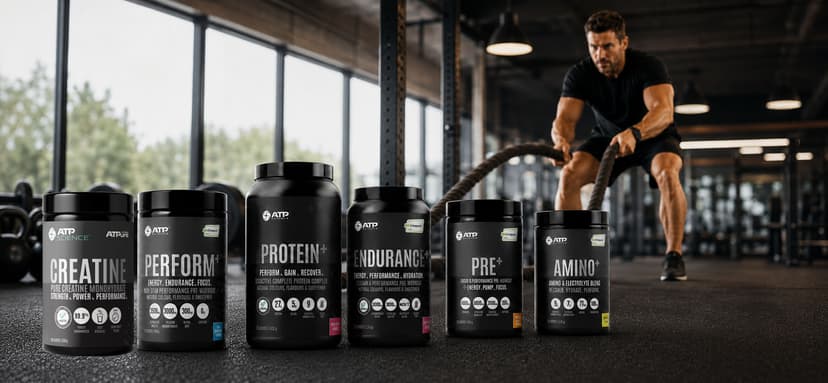
Pre+, Endurance+, Perform+ or Protein+? Here's exactly which ATP Science Performance Plus stack matches your training goals.
August 11, 2026

Build a practical ATP Science supplement routine to support energy, hydration, strength, performance and recovery throughout your active week.
July 31, 2026