Caffeine Basics 101

02
Jul
Caffeine Basics 101
Reading time - 7 mins
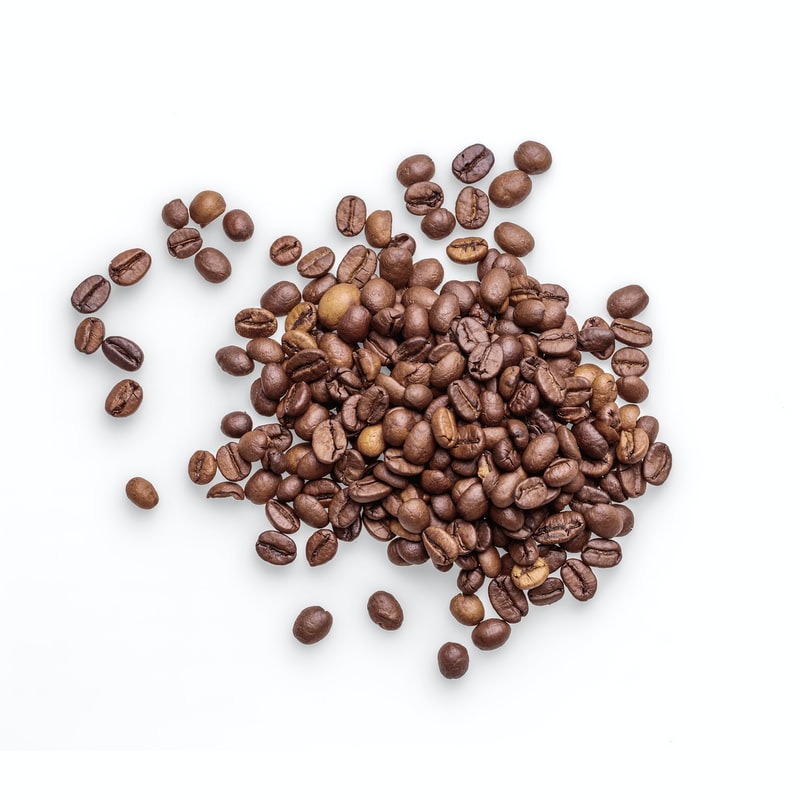
Whether in the natural form found in coffee beans or synthetically found in items such as energy drinks, fat burners or pre workouts, all caffeine has the same stimulatory effect on the body no matter what its origin. Also commonly named 1, 3, 7-Trimethylxanthine, caffeine works by blocking the uptake of adenosine in the brain, which is responsible for sedation and relaxation, while also stimulating the adrenergic receptors, causing a release of adrenaline and an increase in mental alertness. So contrary to popular belief, caffeine can actually be labelled as an anti-sleep stimulant as well as an energy stimulant.
Can You Have Too Much Caffeine?
Can we take too much or is it safe to use long term? As with all stimulatory ingredients, caffeine will, in time, have a reduced effect on the receptors allowing adenosine to become re-active even during the presence of caffeine, so dosage amount and frequency need to be considered. In these cases, the noticeable awakening effect, increased heart rate and performance enhancement will subside despite using the same amount of caffeine, and it is encouraged that caffeine consumption should then be reduced to re-sensitise its effect on the brain.
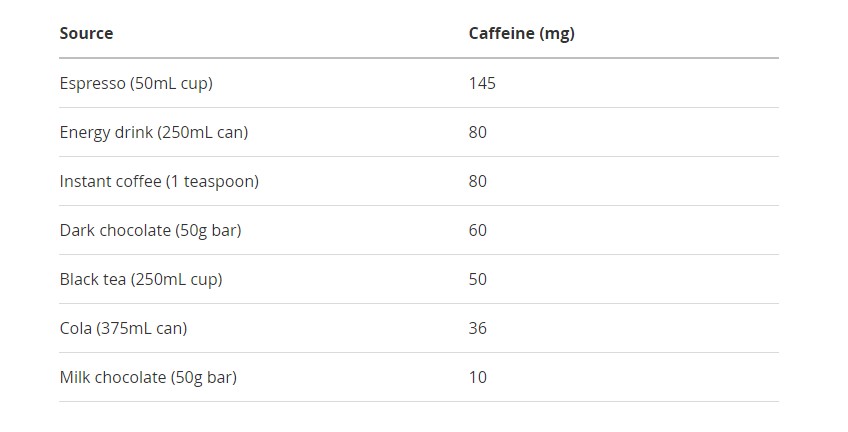
Traditionally speaking, sports supplementation products will range between 100mg and 300mg per serving, which, when compared to a single shot of coffee (80-100mg), has a profound effect on increasing mental alertness. As it stands now, the current recommendation for caffeine use per serve for a single bout of exercise when looking to increase performance is 3mg of caffeine per kg of body weight.
Similarly, it is also advised to maintain a daily caffeine intake of approximately 400mg a day or lower. It's always recommended to chat with your healthcare practitioner for advice.
What Does Caffeine Do?
What doesn’t caffeine do is probably a better question.
Here are some of the benefits listed from major (bold) to minor (italics).
Increase mental alertness – Increase anaerobic running capacity – Increase power output –– Increase Aerobic Exercise – Reduce blood glucose disposal – Increase blood flow – Decrease fatigue – Increase fat oxidation – Decrease visceral fat accumulation in a calorie surplus
All in all, caffeine is a pretty incredible ingredient and supplement to use. All adverse effects (increase in blood pressure, cortisol and heart rate) appear to be dose-specific and highly individualised, whereby the length of use and receptor sensitivity appears to be the major contributing factors towards if these occur.
In saying that, it is critically important to recognise that any adverse effect must be considered in context, of which, in the case of these 3 factors, a dose-specific time point change will not have negative health effects.
One must look at their daily blood pressure, cortisol and heart rate as a reference for health, not at 1-2 hours within a 24-hour time frame, as the increase in these physiological markers is expected and does not give an indication of overall health.
Caffeine or No Caffeine?
As with all supplements, inevitably, the choice is up to the consumer. Caffeine will benefit the large majority of users and should be consumed at 3mg of caffeine per kg of body weight, depending on the individual’s sensitivity and use of supplement history. As always, I recommend starting at the lower end of the spectrum to assess your tolerance first.
Caffeine can be used to enhance mental alertness, increase anaerobic output and maximise power output but should be consumed with consideration to sleep, as its major role is to inhibit relaxation and sedation, so, for this reason, keep a performance level dose of caffeine at least 4-6 hours away from bedtime.
It may also be advised to periodically reduce or remove caffeine intake from time to time to maintain its effect. However, long-term use and the need for cycling on and off caffeine is again highly individualised, so choose the best protocol for you.
Caffeine is both naturally occurring and man-made, but no matter what its origin is, caffeine has profound effects on performance and can even help improve lifestyle factors such as blood glucose control and enhancing lipolysis.
As with any stimulant-based product, caution should always be used when deciding on dosage amounts, so be mindful of the amount you are having in relation to your usage history, the desired performance enhancement you require and also how close to sleep it will be consumed.
Shop Pre Workouts
More Fit Talk
Not sure which Applied Nutrition protein to grab? We break down Iso Clear vs Critical Whey so you can pick with confidence.
September 2, 2026

Your September shred stack sorted: protein, fat burners, aminos and recovery picks built to get you lean, fast.
August 23, 2026
This top 5 protein powders help you hit your goals faster. From low-calorie blends to metabolism-boosting formulas, these proteins are built to keep you fuller for longer, crush cravings, and preserve lean muscle mass while you shred.
August 22, 2026
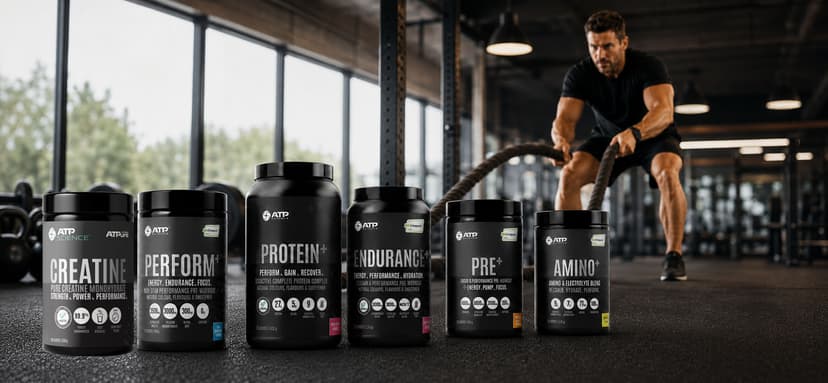
Pre+, Endurance+, Perform+ or Protein+? Here's exactly which ATP Science Performance Plus stack matches your training goals.
August 11, 2026

Build a practical ATP Science supplement routine to support energy, hydration, strength, performance and recovery throughout your active week.
July 31, 2026