
03
Sep
What to eat before EVERY workout!
Reading time - 7 mins
By understanding the fundamentals of pre-workout nutrition, you can ensure top performance and ideal muscle recovery, so you get the gains you deserve. Let’s explore carbohydrates and protein in more detail.
Pre-workout Carbohydrates:
Why do you need carbohydrates before training?
Carbohydrates serve to give you that all-important energy source to fuel whatever kind of activity you’re doing, such as strength training, endurance, team sports or any other physically demanding activity.
When you cut your carbohydrates short, you may notice decreased workout performance due to increased fatigue, perception of effort and potential burnout. Depleting your glucose and glycogen stores will give this effect and may even lead to muscle protein breakdown.
Follow this protocol to make sure your muscles are topped up with carbohydrates before every workout:
Keep in mind potential gastrointestinal (GI) discomfort when eating too close to training or eating new foods. If you have a competition coming up, it is wise to avoid any new dietary approaches.
Short, high-intensity activities:
Include simple carbohydrates to help fuel you.
Some examples include:
- Dairy, such as milk or yoghurt
- Fruit, such as bananas or apples
- Refined grains, such as cereal or white rice
- Sugar, such as honey or table sugar

Think of simple carbohydrates as giving you QUICK energy!
Longer, moderate-intensity activities:

Have a mix of simple and complex carbohydrates with protein.
Some examples of complex carbohydrates include
- Legumes and starchy vegetables like beans and potatoes
- Whole grains like oats and pasta
- Fibre-rich sources like whole fruits or vegetables
Remember, the more active you are, the longer you train and the higher the intensity is, the more carbohydrates you may require.
Pre-workout Protein:
Why do you need protein before training?
Protein can serve as a source of energy and help to keep your muscles fueled when you are doing a prolonged activity such as endurance training. Note that it is not your body’s number one fuel source, but it can be used in small amounts when you’re exercising for a long time.
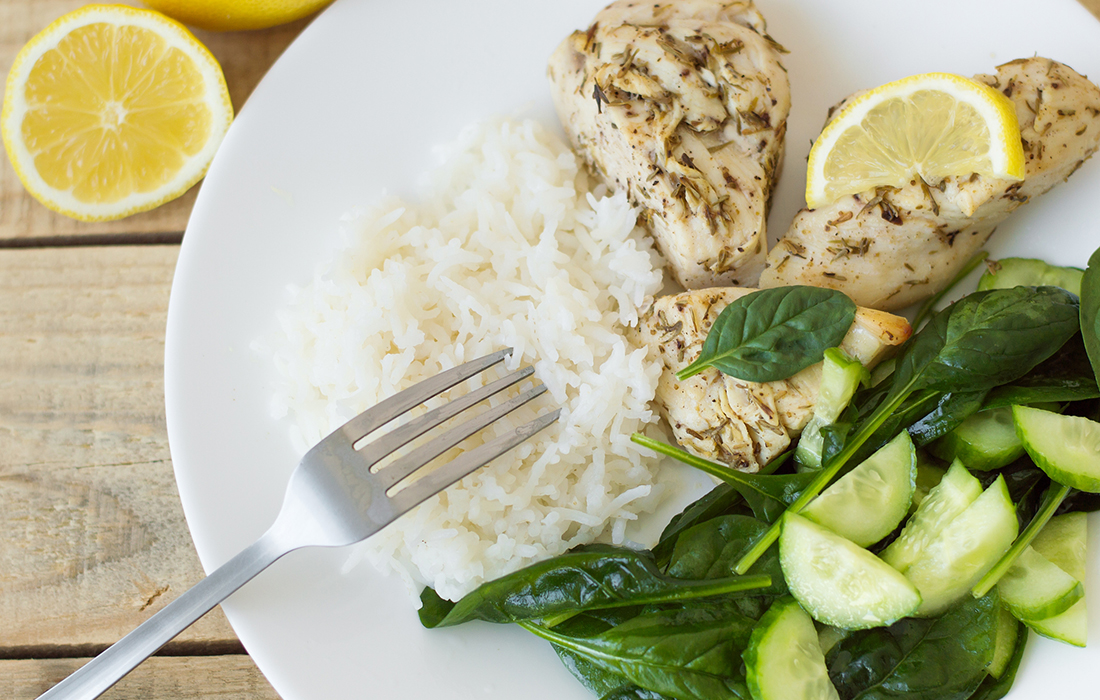
Another important function of protein is to help support muscle recovery by ‘priming’ your muscles.
You’ll also want to make sure you’re giving your hard-working muscles protein after you train!
What type of protein should you use?
Choose complete high-quality sources such as meat, poultry, fish, dairy products, and soy products. Plant-based sources are generally seen as incomplete and have a lower amount of protein. However, if you combine your plant foods, you can help to ensure it’s a complete protein.
Using a whey protein is an easy way to get your protein needs met. Whey Protein generally peaks in the body in about 1 hr after consumption; it is faster absorbing and digesting than casein, which is perfect for muscle recovery!
Protein Recommendations (Banned Substance Tested)
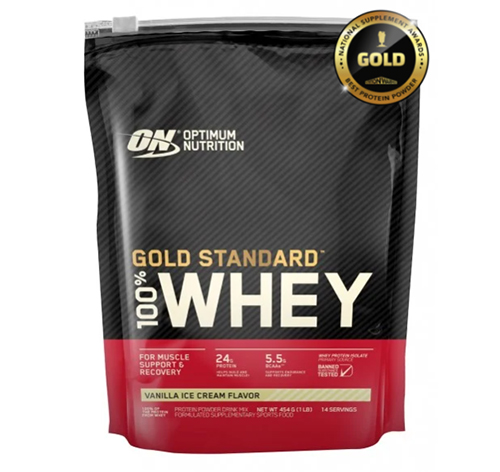
Gold Standard 100% Whey by Optimum Nutrition
World's #1 Selling Protein
Fast digesting whey proteins
Whey Isolate + Concentrate + Hydrolysed
24g of Protein
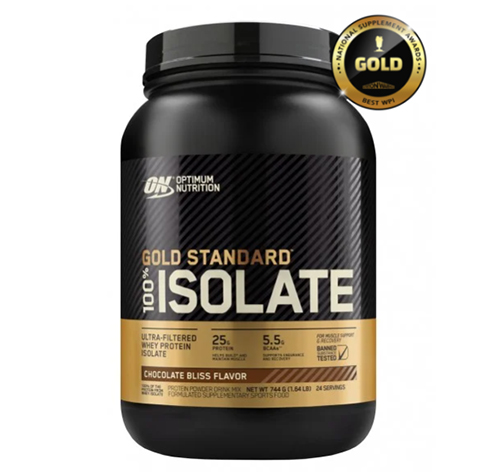
Gold Standard 100% Isolate by Optimum Nutrition
Highest quality Isolate, fasted absorption
Contains Hydrolysed Whey Isolate
25g of Protein
Perfect for those looking for minimal carbs and fats
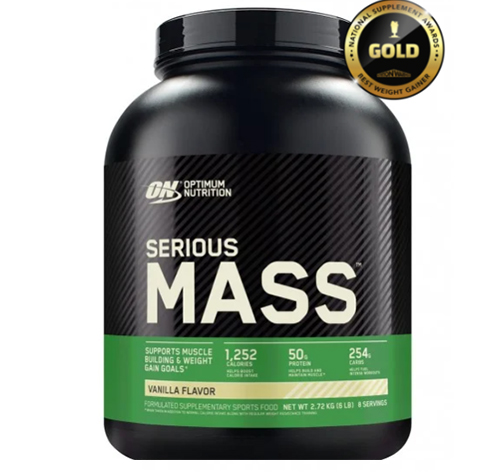
Serious Mass by Optimum Nutrition
Multi-source protein for fast and slow absorption
250g Carbohydrates to reload glycogen stores
3g Creatine for performance
Vitamins & Minerals for health
1250kcal per serve - perfect for hard gainers
Pre-Workout Recommendations (Banned Substance Tested)
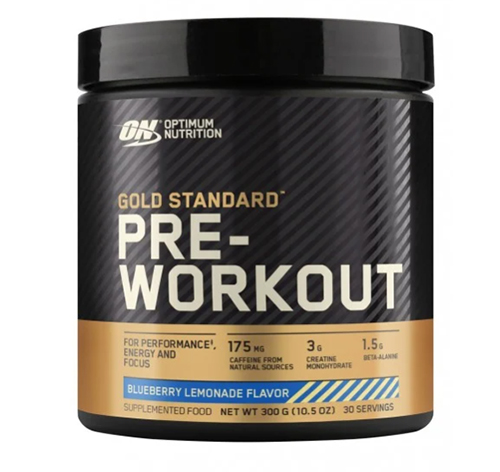
Gold Standard Pre Workout by Optimum Nutrition
175mg green sources of Caffeine
1.5g Citrulline Malate + 1.5g Beta Alanine for endurance
Acetyl L-Carnitine & N-Acetyl Tyrosine for focus
B Vitamins for energy and performance
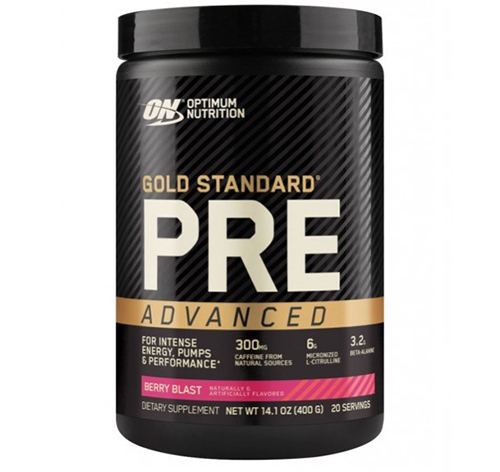
Gold Standard Pre Advanced by Optimum Nutrition
300mg Caffeine
5g Creatine for strength and performance
6g Citrulline for endurance
1.2g Creatine Nitrate for pump
3.2g Beta Alanine for endurance
Electrolytes
Always speak to your health practitioner before undertaking a new supplement or exercise regime. Views expressed are of Optimum Nutrition.
More Fit Talk

Intermittent fasting is not for everyone, but if you are keen to try it out, here are our 5 tips to help you ease into intermittent fasting.
January 9, 2024

The main benefits are found when the body initiates important cellular repair processes and changes hormone levels to make stored body fat more accessible during a time when no calories are consumed.
January 7, 2024

Learn about quick and easy high-protein breakfast options. Simple and healthy breakfast ideas will help you get stronger, feel fitter and more organised during your work week. By eating protein, you'll have what you need for muscle growth.
December 9, 2023

Imagine giving your immune system a mega boost. With a healthy dose of vitamins, minerals, and L-Glutamine, your immune cells become high-performing, and the health of your intestinal cells, key players in your body's immune response, is maintained at its peak.
July 25, 2023

Most people don’t eat enough greens in their daily routine. According to the Australian Dietary Guidelines, we should be consuming at least 5 serves of vegetables daily.
April 12, 2023