

09
Jan
How To Ease Into Intermittent Fasting
Reading time - 7 mins
If you’ve been wanting to try intermittent fasting but are used to eating 6 meals a day or can’t imagine not eating breakfast or dinner, this one’s for you. Starting (and maintaining) a new habit can be tough, but easing your way into it can feel like less of a shock to the system.
Our 5 Tips to Ease Into Intermittent Fasting:
1. The 16:8 Method
There are many types of fasting, but here's the one that many fitness lovers stick to when it comes to intermittent fasting. 16:8 or 'Leangains' method supports your body's internal clock, the circadian rhythm. This means that you’re fasting for 16 hours and have an eating window of 8 hours. Essentially, you’ll either skip breakfast or your dinner, depending on your schedule. Though your hunger hormones do get adjusted to an intermittent fasting schedule, you may be wondering, how can you go from being used to eating all the time to suddenly nothing?
2. Try a Modified Fast
A strict fast would be nothing but water (some people even do a dry fast!).The next strict option would be black coffee or tea only (hold the sugar and cream!). This way, you're not ingesting any calories, avoiding a blood sugar spike. However, for us mere mortals, this may be quite a mental and physical stretch. If you're not quite ready to take the plunge, you can ease into it with some help:
Consume quality fats (with or without coffee):
One of the reasons to fast is not to spike your blood sugar. By consuming particular fats, you can stave off hunger and keep energised while on an intermittent fasting diet plan. MCT (Medium Chain Triglycerides) oil is a tool athletes and keto adherents use. Keeping to a keto diet during the day can help ketone production and be an excellent way to keep your modified fast going. You’ll find MCT in the famous Bulletproof Coffee and in products like:
You'll also find it in products like:
3. Have Enough Calories for Your Last Meal
Not only enough calories, but make sure that your meal is actually going to make you full! If you eat slow-digesting fats, volume with fibre and satiating protein, you’ll find you can go much further than if you just ate carbohydrates. If you're looking to break your fast at noon, try a hearty dinner that will help keep you going so you don't wake up starving.
Note: that doesn't mean eat until you burst! If you eat too much, you'll set yourself up for poor sleep. Plus, if you are to lose body fat, the most important thing is to keep to a calorie deficit.
4. Treat It Like an Experiment
When something is an 'experiment', it takes away some of the severity of starting a routine that might last forever. Instead of approaching it with anxiety and a sense of duty, you can instead look at it with curious eyes. Do you journal? Journaling is great for many purposes, but in relation to intermittent fasting, it can be useful to track your energy levels, mood, sleep and how you feel after you eat certain foods. That way, you can make adjustments to your intermittent fasting diet plan where needed. If you're just trying out fasting because of the potential weight loss benefits, then these supplements can help you get better results overall!
4. Focus on the Benefits
What are the biggest benefits of intermittent fasting to you? If you’re already aware of the general benefits of fasting (and that’s why you’ve started it), start imagining how great you'll look and feel once you've completed your goal.
*Always, consult your health practitioner for the right advice for you. This article is intended to be for educational purposes only. Fasting is not suitable for everyone.
Antoni, R., Johnston, K., Collins, A., & Robertson, M. (2017). Effects of intermittent fasting on glucose and lipid metabolism. Proceedings of the Nutrition Society, 76(3), 361-368. doi:10.1017/S0029665116002986
Klempel, M.C., Kroeger, C.M., Bhutani, S. et al. Intermittent fasting combined with calorie restriction is effective for weight loss and cardio-protection in obese women. Nutr J 11, 98 (2012). https://doi.org/10.1186/1475-2891-11-98
Gibas MK, Gibas KJ. Induced and controlled dietary ketosis as a regulator of obesity and metabolic syndrome pathologies. Diabetes Metab Syndr. 2017;11 Suppl 1:S385-S390. doi:10.1016/j.dsx.2017.03.022
Moro, T., Tinsley, G., Bianco, A. et al. Effects of eight weeks of time-restricted feeding (16/8) on basal metabolism, maximal strength, body composition, inflammation, and cardiovascular risk factors in resistance-trained males. J Transl Med 14, 290 (2016). https://doi.org/10.1186/s12967-016-1044-0

More Fit Talk
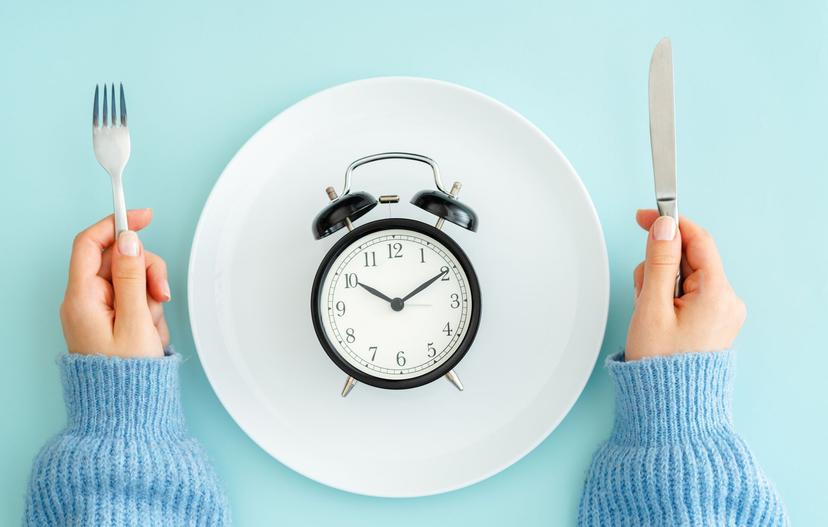
Intermittent fasting is not for everyone, but if you are keen to try it out, here are our 5 tips to help you ease into intermittent fasting.
January 9, 2024
The main benefits are found when the body initiates important cellular repair processes and changes hormone levels to make stored body fat more accessible during a time when no calories are consumed.
January 7, 2024

Learn about quick and easy high-protein breakfast options. Simple and healthy breakfast ideas will help you get stronger, feel fitter and more organised during your work week. By eating protein, you'll have what you need for muscle growth.
December 9, 2023

Imagine giving your immune system a mega boost. With a healthy dose of vitamins, minerals, and L-Glutamine, your immune cells become high-performing, and the health of your intestinal cells, key players in your body's immune response, is maintained at its peak.
July 25, 2023

Most people don’t eat enough greens in their daily routine. According to the Australian Dietary Guidelines, we should be consuming at least 5 serves of vegetables daily.
April 12, 2023