

28
Jan
Are You Getting Enough Micronutrients?
Reading time - 9 mins
Everyone seems to be obsessed with macros (macronutrients: protein, carbohydrates and fats). Micros (micronutrients: vitamins and minerals) are often an afterthought in the quest for advanced body composition - but only for the (perhaps blissfully) unaware. You might be hitting your macro targets everyday, but still lacking energy, having terrible sleep, sugar cravings or *name your annoying health niggle*. Yes, you can get shredded on snickers bars, but is it a wise choice for your best performance and long term physique?
Your cells need nourishment in order to function at their peak. With the modern lifestyle full of processed foods plus a degradation of farming soil, you may be finding yourself falling short on precious vitamins and minerals. If you're training regularly and putting increased demands on your body, you'll need to pay extra special attention to filling up your meal prep with nutritional powerhouses.
Let's have a look at some popular vitamins and minerals (note, this is not an exhaustive list):
Popular Vitamins
1. Vitamin A:
Vitamin A is necessary for many important processes in your body. It helps the development of healthy cells including bone growth and development, assists your healthy immune system, and helps maintain your healthy reproductive system. Vitamin A is important for eye health and also enhances your beauty through supporting healthy hair, skin and nails.
Find vitamin A in these food sources:
- Sweet potato
- Carrots
- Green leafy vegetables
- Pumpkin
- Eggs
2. B vitamins:
B vitamins are a group of eight vitamins, that are critical for many functions in your body.
These are:
- Thiamin (B1): assists nervous system function and energy production.
- Riboflavin (B2): defends your body against free radicals and assists you to use energy from your food
- Niacin (B3): assists to break down protein, carbs, fats and ketones.
- Pantothenic acid (B5): helps to create energy from your macrons, create new fats and break them down. B5 is also involved in hormone production, such as melatonin.
- Pyridoxine (B6): assists in making amino acids and breaking them down. B6 also assist to release stored glucose and is a protector for the brain
- Biotin (B7): helps you to create energy from your food, also a popular vitamin to support healthy skin, hair and nails.
- Folate or ‘folic acid’ when included in supplements (B9): critical for creating DNA in new cells, like white blood cells.
- Cyanocobalamin (B12): helps to guard your nerve fibres and is used to create folate into an active form.
Food sources of B-vitamins:
- Meat, eggs, poultry, seafood
- Leafy greens
- Nutritional yeast
- Tomatoes
- Beetroot
- Strawberries
- Lentils
3. Vitamin C:
If you've been run down with a cold, you often turn to vitamin C. This is because vitamin C is a strong antioxidant that protects your body from oxidative stress. Furthermore, vitamin C is an essential beauty vitamin, providing a role in collagen synthesis which makes up the health of your skin, hair and nails. Collagen is also needed for the strength of your joints, connective tissue, cartilage and bones!
Food sources of vitamin C:
- Broccoli
- Leafy greens
- Capsicum
- Fruits: strawberries, oranges, pineapples
- Lemon and limes
4. Vitamin D:
Vitamin D is acts like a steroid hormone in your body. Vitamin D has important influence on your immune system, healthy teeth bones, muscle and nerve function. This sunshine vitamin regulates your body's levels of calcium and phosphorus.
Food sources of vitamin D:
- Egg yolk
- Salmon and other oily fish
- Foods fortified with vitamin D: mushrooms, plant oils, milk
Vitamin D requirements can't be sourced solely from food - you need to get some sunshine or supplement!
Do you need a multivitamin?
A multi (multivitamin) has a big variety of essential vitamins and minerals, to 'cover your bases'. The doses of ingredients in a multivitamin will be less than what is in a stand alone vitamin or mineral product. Multis are designed to be broad-spectrum support, to help cover nutritional gaps in your diet. Even if you have a healthy diet, these gaps can occur, especially if you tend to eat the same meals.
Product Recommendations:
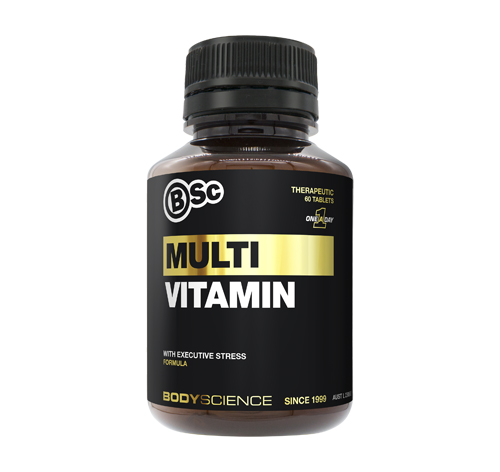
Multi Vitamin by Body Science BSc
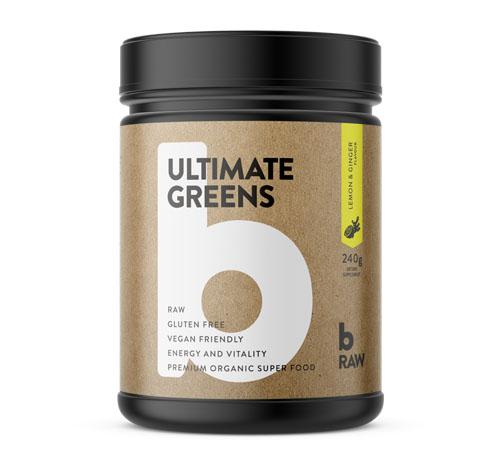
Ultimate Greens by b Raw
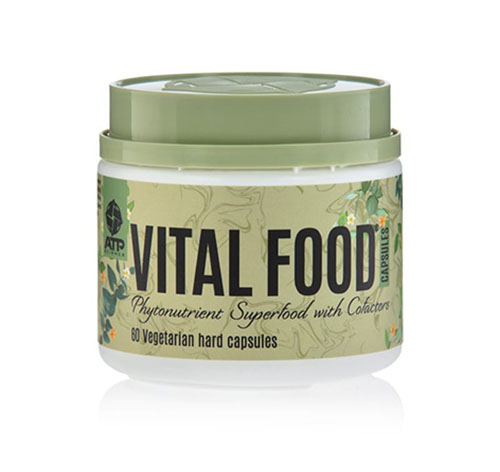
Vital Food by ATP Science
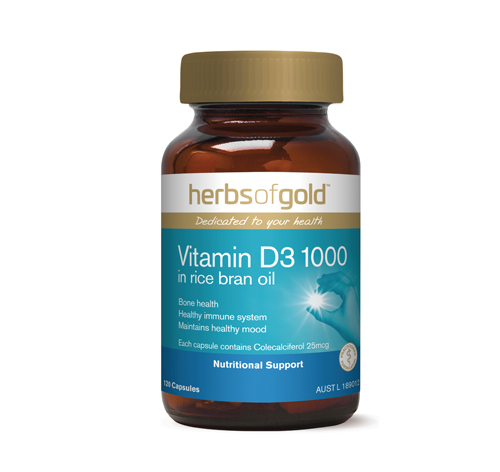
Vitamin D3 1000 by Herbs of Gold
Popular Minerals
Minerals are elements that have essential functions in your body. Your body needs minerals from food and the earth in order to be healthy, including keeping your organ systems vital, making hormones and creating enzymes.
1. Calcium:
When you think of strong bones, you probably think of calcium. Calcium is the primary mineral in your body, but you need to consume it regularly in order to have healthy bones and overall cellular support like muscle and brain functioning.
Food sources of calcium:
- Dairy: Cheese yogurt, milk
- Salmon (with bones)
- Tofu
- Leafy greens
- Sardines
2. Iron:
Feeling tired all the time? Consider your iron levels, especially if you're a woman. Iron is used to create energy in your body, and has other essential functions like making hormones, amino acids, collagen and neurotransmitters. When you think of healthy red blood cells, think of iron. Heme iron, the type found in animal products, is the most easily absorbed.
Food sources of iron:
- Liver, organ meats
- Red meat
- Dark leafy greens
- Pumpkin seeds
- Beans and lentils
- Tofu
3. Magnesium:
Having a role in over 300 enzyme reaction, magnesium is not one to forget. This important mineral plays a big part in your muscle and nerve function, immunity, for healthy bones and blood to name a few.
Food sources of magnesium:
- Leafy greens
- Nuts and seeds
- Dark chocolate or cacao
- Legumes
- Soybeans
4. Zinc:
Zinc is another essential mineral for healthy hormone production, keeping your immune system healthy and helping your body to make proteins and DNA. During pregnancy and when a child is developing, zinc is an essential growth mineral.
Food sources of zinc:
- Seafood like shellfish
- Nuts and seeds
- Eggs
- Meats like beef and turkey
- Dairy
- Whole grains
- Beans
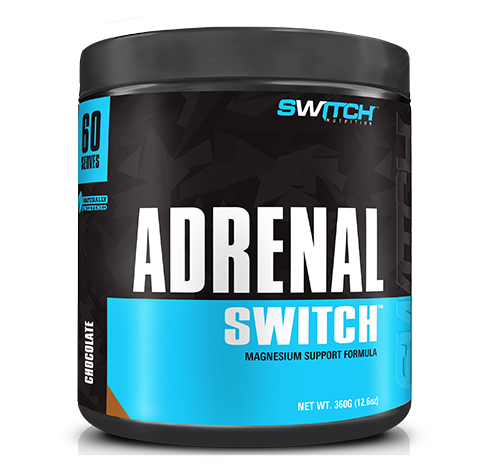
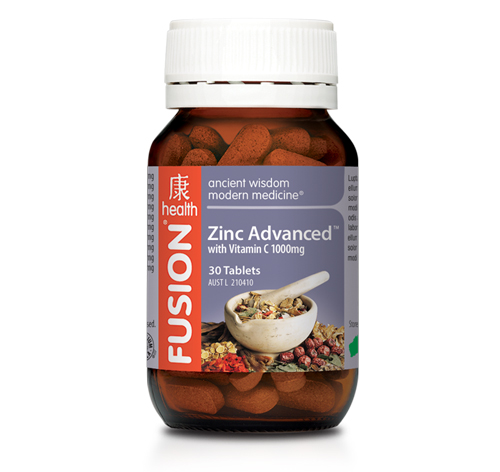
Product Recommendations:


More Fit Talk

Intermittent fasting is not for everyone, but if you are keen to try it out, here are our 5 tips to help you ease into intermittent fasting.
January 9, 2024
The main benefits are found when the body initiates important cellular repair processes and changes hormone levels to make stored body fat more accessible during a time when no calories are consumed.
January 7, 2024

Learn about quick and easy high-protein breakfast options. Simple and healthy breakfast ideas will help you get stronger, feel fitter and more organised during your work week. By eating protein, you'll have what you need for muscle growth.
December 9, 2023

Imagine giving your immune system a mega boost. With a healthy dose of vitamins, minerals, and L-Glutamine, your immune cells become high-performing, and the health of your intestinal cells, key players in your body's immune response, is maintained at its peak.
July 25, 2023

Most people don’t eat enough greens in their daily routine. According to the Australian Dietary Guidelines, we should be consuming at least 5 serves of vegetables daily.
April 12, 2023