

08
Jan
Antioxidants 101
Reading time - 6 mins
Oxygen is undeniably necessary for all life. It’s a no brainer. Unfortunately, it is also a highly reactive element and somewhat of a double edged sword!
Approximately 5% of metabolised Oxygen will be reduced into O2 derived free radicals (AKA Reductive Oxygen Species or ROS) such as Hydroxyl and Nitric Oxides, Hydrogen Peroxides, or Super Peroxide (1).
These free radicals are by nature, very unstable and so begin borrowing electrons from neighbouring, positively charged, otherwise stable molecules to re-gain stability (a neutral valency) and in doing so, de-stabilise these molecules. This process continues until there is cellular destabilisation and eventual damage referred to as oxidative stress.
So why is this important?
Because oxidative stress in the long term can lead to disease, damaged proteins and DNA and even cellular mutations (i.e. cancers)!
So what can we do to prevent oxidative stress in the body you ask?
This is where antioxidants come into the picture!
Antioxidants are compounds and molecules that have a stabilising effect on these free radicals, halting the chain of electron stealing, and preventing cellular disruption and damage (2).
The balance between the amounts of oxidative stress vs the amount of antioxidant activity present to halt this stress will largely dictate your longevity of cellular life and eventually, your own!
Dietary Sources of Antioxidants
Antioxidants can come in several forms and stimulate several pathways. From dietary sources such as polyphenol bearing ‘superfoods’, to much those that stimulate more potent pathways such as NRF-2 activation (see my next article, Advanced Antioxidants).
There is more than one way to slow oxidative stress on the body.
So what are some common dietary sources you can start adding to your meal prep?
| Fruits, Vegetables, Nuts and Seeds | |||
|---|---|---|---|
| Carrot | Watermelon | Blueberries | Cranberries |
| Beetroots | Goji Berries | Chilli | Black Beans |
| Blueberries | Purple Sweet Potato | Strawberries | Pumpkin Seeds |
| Red Grapes | Artichokes | Grapefruit | Cherries |
| Medicinal Herbs, Culinary Herbs and Spices | |||
|---|---|---|---|
| Turmeric | Ginger | White Pepper | Rosemary |
| Thyme | Nutmeg | Sage | Beetroots |
Take Home
An antioxidant is a molecule stable enough to donate an electron to a nearby Reactive Oxidative Species (ROS) and thus prevent further destabilisation and oxidative stress (1).
These antioxidant bearing foods tend to have a one to one ratio of electron donation and thus can typically stabilise equal parts of the ROS to the amount of these foods present in your diet (1-3).
So to summarise with a practical message you can utilise in day to day life, the balance of oxidative stress and the quantity of antioxidant bearing fruits, vegetables, nuts, seeds ,spices and herbs in your diet will dictate how much rampant oxidative stress is left unchecked in your body in the long term.
By making a conscious effort to add a variety of foods in the table above to your daily nutrition plan, you will slowly shift the tide between free radicals and antioxidant activity in the body, making you feel the world better in the process!
1) Mondal, S.K., Chakrabarthy, G., Gupta, M and Mazumder, U.K, (2006) “In vitro antioxidant activity of Diospyros malabarica kostel bark”., Indian journal of experimental biology., 44,39-44.
2) Sumathi S, Padma PR, Gathampari S, Vidhya S. FREE RADICAL SCAVENGING ACTIVITY OF DIFFERENT PARTS OF WITHANIA SOMNIFERA. Ancient Science of Life. 2007;26(3):30-34.
3) Lobo V, Patil A, Phatak A, Chandra N. Free radicals, antioxidants and functional foods: Impact on human health. Pharmacognosy Reviews. 2010;4(8):118-126. doi:10.4103/0973-7847.70902.
4) Lee SE, Hwang HJ, Ha JS et al. Screening of medicinal plant extracts for antioxidant activity. Life Sci 73: 167-179, 2003
5) Prior RL. Fruit and vegetables in the prevention of cellular oxidative damage. Am J Clin Nutr 78: 570S-578S, 2003.
6) Cai Y, Luo Q, Sun M et al. Antioxidant activity and phenolic compounds of 112 traditional Chinese medicinal plants associated with anticancer. Life Sci. 74: 2157-2184, 2004.
7) Kaur C, Kapoor HC. Anti-oxidant activity and total phenolic content of some Asian vegetables. Int J Food Sci Technol. 37: 153-161, 2002.
More Fit Talk
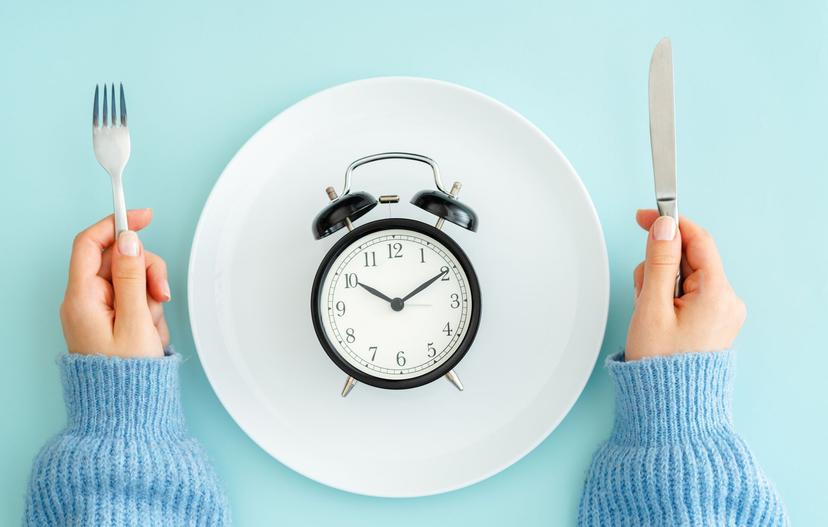
Intermittent fasting is not for everyone, but if you are keen to try it out, here are our 5 tips to help you ease into intermittent fasting.
January 9, 2024
The main benefits are found when the body initiates important cellular repair processes and changes hormone levels to make stored body fat more accessible during a time when no calories are consumed.
January 7, 2024

Learn about quick and easy high-protein breakfast options. Simple and healthy breakfast ideas will help you get stronger, feel fitter and more organised during your work week. By eating protein, you'll have what you need for muscle growth.
December 9, 2023
Imagine giving your immune system a mega boost. With a healthy dose of vitamins, minerals, and L-Glutamine, your immune cells become high-performing, and the health of your intestinal cells, key players in your body's immune response, is maintained at its peak.
July 25, 2023
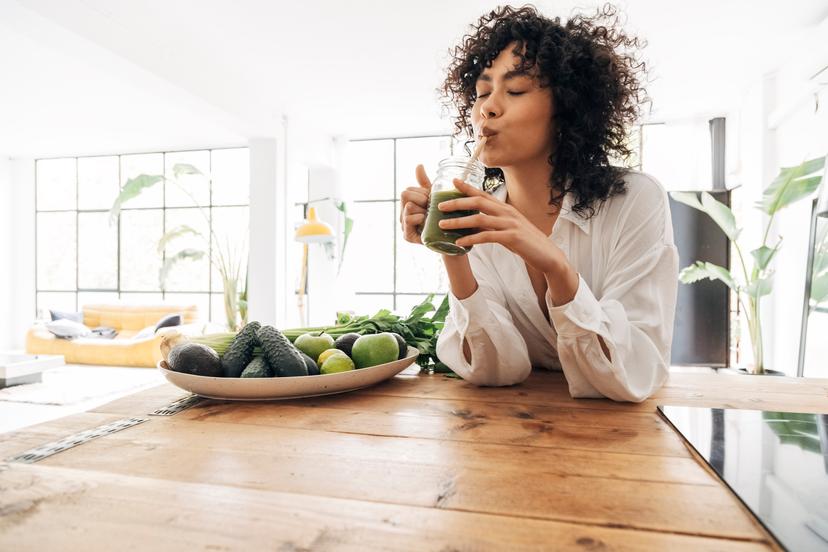
Most people don’t eat enough greens in their daily routine. According to the Australian Dietary Guidelines, we should be consuming at least 5 serves of vegetables daily.
April 12, 2023