The True Way Your Muscles Grow

10
Apr
The True Way Your Muscles Grow
Reading time - 10 mins
You know the importance of post workout recovery, but how can you optimise it so you get the best results not just from your gym workout, but from any physical training you do? If you're on a mission to be bigger, get stronger, be faster or simply have more energy, read on to find out what to do to maximise your training efforts.
Your muscles and training
Your body is constantly building and breaking down muscle proteins
Physical activity increases muscle protein breakdown and muscle protein synthesis. Intense physical activity can lead to micro-tears in the muscle fibres, which is a normal response to vigorous exercise.

Micro-tears are an important stimulus for muscle growth, and recovery time plus proper nutrition are important for muscle recovery. Plus, when you rest well and eat well, you can help your body's hydration status as well as the restoration of energy stores.
People often think that muscle recovery only happens after exercise
The truth is that muscle recovery is a 24hr process (meaning, it is happening all day, around the clock!) that can take up to several days. As part of recovery, your body is rebuilding muscle proteins and replenishing energy stores.
What is active recovery?
Following intense exercise with low to moderate intensity exercise is a form of actively recovering. Low intensity exercise the days after intense exercise promotes blood circulation to recovering muscles and also helps to warm up and loosens tight, sore muscles.
Principles of Muscle Recovery
-
Proper nutrition
-
Hydration
-
Rest and Relaxation
-
Sleep
1. Nutrition
Refuel within about one hour after working out to help support;
- Supplying building blocks for protein synthesis
- Replenish glycogen stores
Tips:
- Include source of carbohydrates and protein when refuelling
- Don’t restrict food intake on non-training days
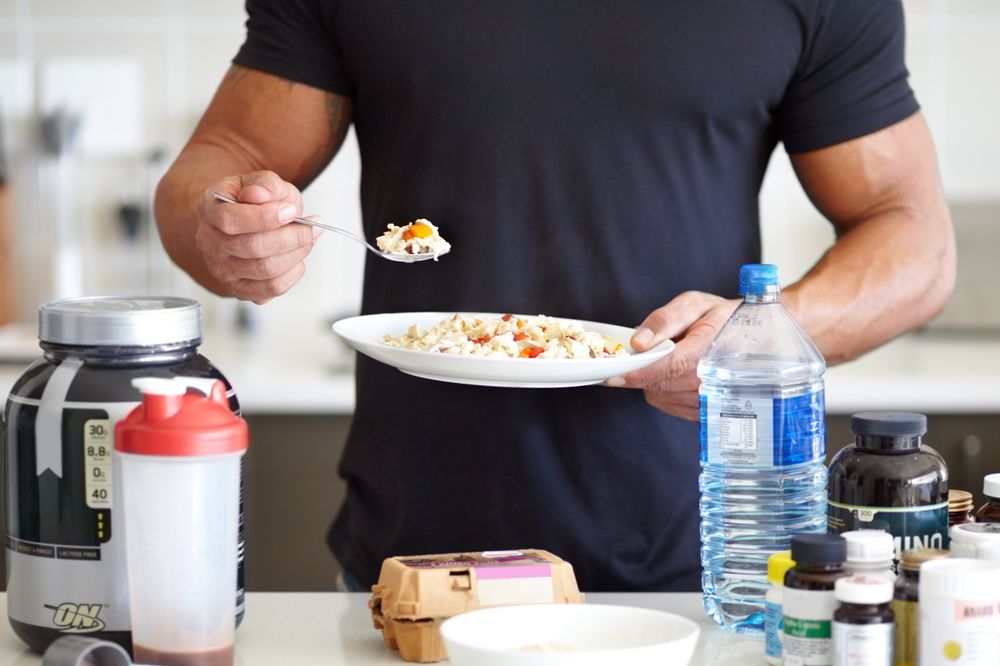
Eat a balanced diet to help fuel up for the following workout. Adequate daily intake of carbs and protein are also important as post exercise intake, to support muscle recovery and performance
Protein musts:
- Keep track of your protein intake to ensure you’re meeting your daily needs
- Aim for 20-40 grams per meal or snack
- Choose complete high-quality proteins to help support muscle protein synthesis
2. Hydration

75% of muscle tissue is water... This means that dehydration can impair performance. Remember to have water and electrolytes to help support rehydration after exercise.
3. Rest and Relaxation
Make sure you schedule off-days... remember, mucles recover when you rest!
Overtraining can have negative consequences such as;
- Burnout: mentally and physically
- Fatigue
- Injury

Rest allows for time to manage stress. This way, you can also achieve a healthy balance between work, life and fitness goals.
4. Sleep

Quality and amount of sleep are key components of recovery and performance
If sleep is cut short, then the body doesn’t have the time to recover and consolidate memory. Inadequate sleep increases the possibility of fatigue, low energy and poor focus. It may also slow recovery post exercise
Protein Recommendations (Banned Substance Tested)
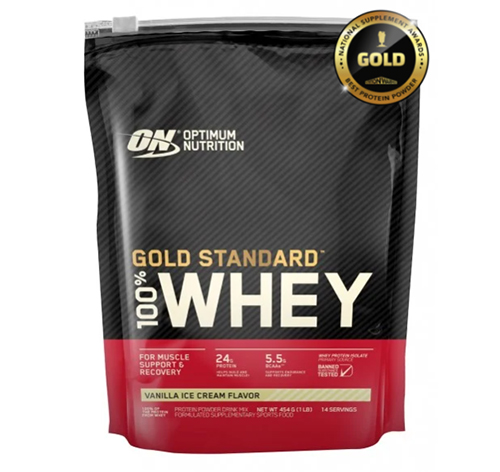
Gold Standard 100% Whey by Optimum Nutrition
World's #1 Selling Protein
Fast digesting whey proteins
Whey Isolate + Concentrate + Hydrolysed
24g of protein
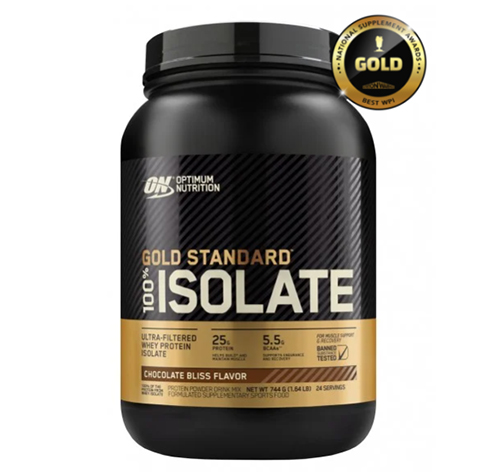
Gold Standard 100% Isolate by Optimum Nutrition
Highest quality Isolate fasted absorption
Hydrolysed Whey Isolate
25g of protein
Low carb and fats
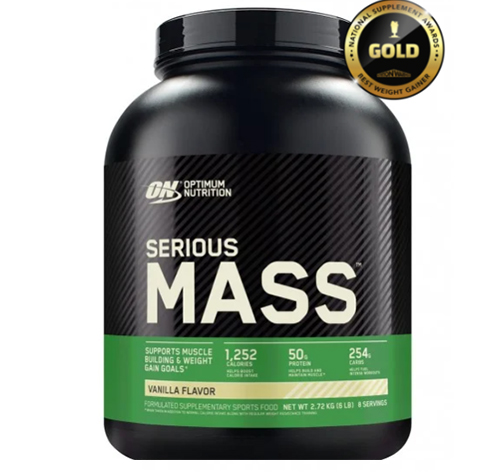
Serious Mass by Optimum Nutrition
Multi-source protein for fast and slow absorption
250g of carbs
3g Creatine for performance
50g of protein
More Fit Talk

Know when you really need to take a weight gainer protein, and what muscle gain powders are available for you to help you reach your size goals. Listed in order of calorie density, you'll find different benefits with each supplement.
July 16, 2025
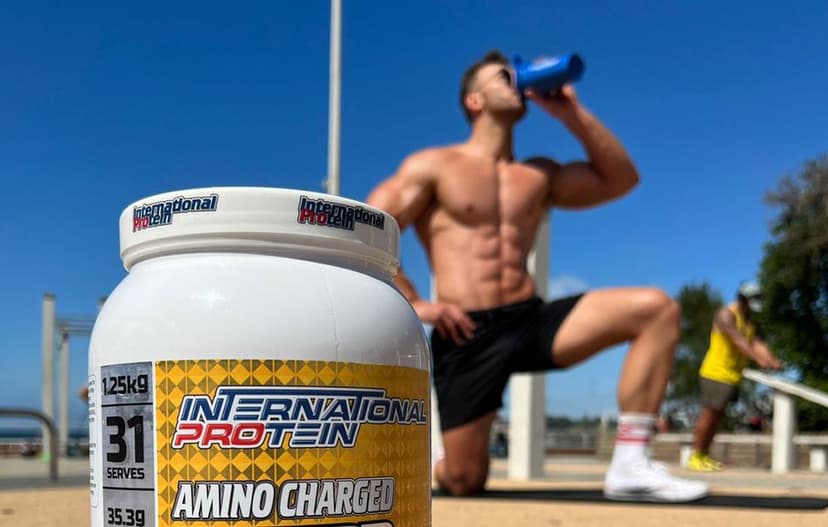
Do you struggle to put on weight? Are you keen to pack on some serious muscle without compromising your health? Take a look at International Protein's top tips for making those gains happen!
July 4, 2025

As a female, the idea of weight loss is always the most popular, spoken about topic. But no one ever takes the time to realise that not everyone’s goals are the same and that building muscle is a task in itself.
October 31, 2023

Stop spinning your wheels and getting nowhere in your fitness journey. Achieve your body composition goals with bodybuilder Kwame, who shows you the best way to stay in shape all year round.
May 31, 2023

You know the importance of post workout recovery, but how can you optimise it so you get the best results not just from your gym workout, but from any physical training you do? If you're on a mission to be bigger, get stronger, be faster or simply have more energy, read on to find out what to do to maximise your training efforts.
April 10, 2023